
Electrical Thermography Testing for Commercial Buildings:
Reducing Risk, Preventing Downtime, and Improving Electrical Safety
Electrical failures in commercial buildings rarely occur without warning. In most cases, excessive heat develops within electrical systems long before faults become visible or cause disruption.
Electrical thermography testing (also known as infrared thermographic inspection) allows these hidden issues to be identified early. This proactive approach helps reduce safety risks, prevent unplanned downtime, and improve the long-term reliability of electrical systems.
For organisations responsible for commercial buildings, data centres, and critical infrastructure, thermographic surveys are an essential part of planned electrical maintenance.

What Is Electrical Thermography?
Electrical thermography is a non-intrusive inspection method that uses thermal imaging cameras to detect heat patterns within electrical systems.
All electrical components generate heat during normal operation. When connections loosen, circuits become overloaded, or components deteriorate, temperatures rise beyond safe operating limits. Infrared thermal imaging identifies these abnormal temperature variations quickly and accurately.
By detecting hot spots, high-resistance connections, overloaded circuits, and failing components, thermography highlights developing faults before they result in equipment failure, fire risk, or power outages.
A key advantage of thermographic testing is that inspections are carried out on live electrical systems. This allows surveys to be completed without shutting down power, a critical benefit for commercial and industrial sites where downtime can have significant operational and financial impacts.
Why Electrical Thermography Is Important for Commercial Properties
Commercial electrical systems are often complex, heavily loaded, and relied upon continuously. Without regular inspection, small faults can escalate rapidly.
Electrical failures can lead to:
- Unplanned downtime
- Damage to critical equipment
- Increased fire risk
- Safety hazards for occupants
- Emergency repair costs
- Business interruption
Thermal imaging provides early fault detection, allowing facilities managers and building owners to understand system condition and address issues before they become disruptive or dangerous.
Common Faults Identified During Thermographic Surveys
Electrical thermography testing routinely identifies issues that are not visible during standard inspections, including:
- Loose or high-resistance connections
- Overloaded or unbalanced circuits
- Failing switchgear and circuit breakers
- Degraded cables and terminations
- Faulty fuses and isolators
- Heat build-up caused by poor installation or ageing equipment
Left unresolved, these issues worsen over time. Elevated temperatures accelerate component degradation and significantly increase the risk of failure or fire.
Electrical Thermography and Preventative Maintenance
Thermographic inspections play a key role in preventive electrical maintenance strategies. Rather than reacting to failures, organisations can identify risks early and plan remedial works effectively.
Benefits include:
- Reduced emergency call-outs
- Improved system reliability
Extended equipment lifespan - Improved safety and compliance
- Better maintenance planning
Thermal imaging is also recognised within SFG20 maintenance schedules, including:
- 44-05 Low Voltage Panel Maintenance
- 44-07 Distribution Board Maintenance
- 44-16 Thermal Imaging
While full compliance with some SFG20 tasks requires electrical isolation, thermographic surveys can often be completed without isolation, allowing essential inspections to take place without disrupting operations.

Thermography for Data Centres and Critical Infrastructure
In data centres and other critical environments, electrical reliability is essential. Even minor faults can lead to downtime, data loss, or reputational damage.
Thermography is particularly valuable in these settings because it allows engineers to:
- Inspect live systems safely
- Identify developing faults without interruption
- Monitor high-load equipment
- Support resilience and redundancy planning
Thermal imaging is widely regarded as best practice for maintaining uptime in critical infrastructure. It provides clear insight into system performance while avoiding the risks associated with shutdowns.
How Often Should Electrical Thermography Be Carried Out?
The frequency of thermographic inspections depends on the type of building, electrical load, and operational risk.
As a general guide:
- High-risk or critical environments should be inspected annually or more frequently
- Commercial and industrial buildings should undergo annual surveys
- Sites with ageing infrastructure or high electrical demand may require tailored inspection programmes
Thermography is most effective when integrated into a wider planned maintenance strategy, providing ongoing visibility of system condition and performance.
Professional Thermographic Inspections
A professional thermographic survey follows a structured process to ensure accuracy, safety, and clear reporting.
This typically includes:
- Pre inspection planning to review layouts, loads, and access
- Live thermal imaging of switchgear, distribution boards, and cabling
- Analysis of temperature data to identify abnormal heat patterns
- Clear reporting with annotated thermal images and findings
- Risk based recommendations and prioritised remedial actions
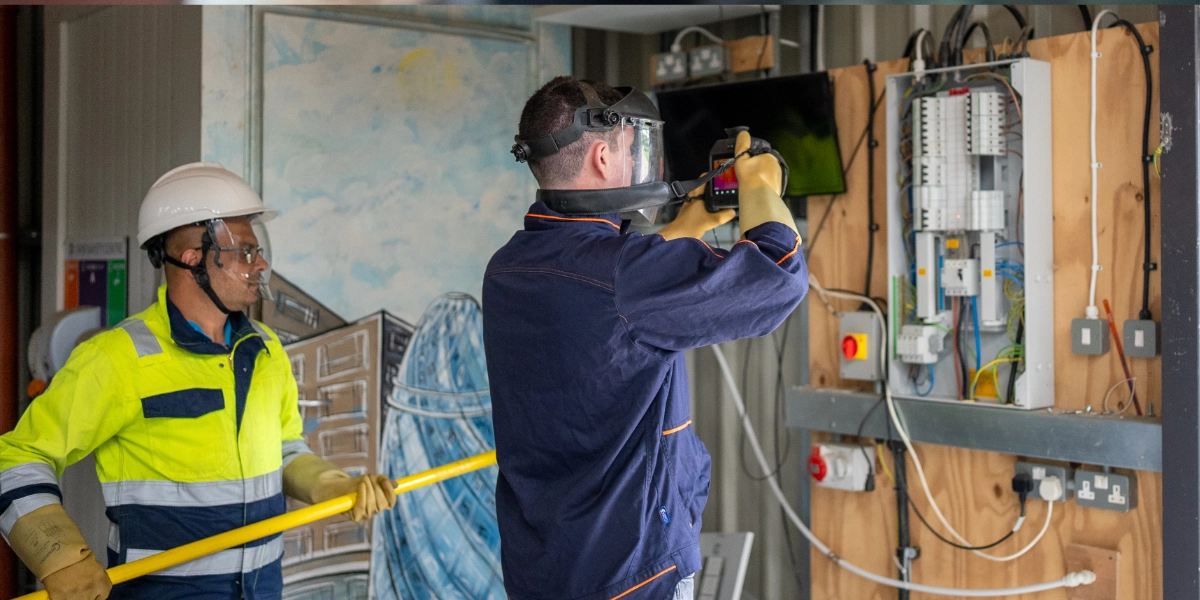
Because electrical panels must remain live during inspection, surveys should only be carried out by competent professionals. At Drake Electrical, our inspections are completed by qualified electricians who are also certified thermographers. This allows us to safely remove panel covers and inspect internal components without relying on client staff or compromising safety.
All thermographers are certified to a minimum of ITC Category 2, and every report includes certification details to support auditing and compliance requirements. We use high specification FLIR T Series cameras, ensuring accurate, repeatable results with clear supporting data.
Safety, Compliance, and Professional Standards
Thermography must be carried out correctly to be effective. Poor quality surveys, incorrect camera settings, or limited access can result in missed defects or misleading results.
A professional thermographic inspection ensures:
- Safe working on live electrical systems
- Accurate interpretation of thermal data
- Compliance with health and safety requirements
- Clear, actionable reporting
- Reliable evidence to support maintenance decisions
Where issues are identified, remedial works can be prioritised based on risk, helping clients manage budgets while maintaining safety and compliance.
The Long Term Value of Electrical Thermography
Electrical thermography is not simply a fault finding exercise. It is a practical investment in safety, reliability, and long term asset performance.
Key benefits include:
- Reduced risk of unexpected failures
- Improved electrical safety
- Lower long term maintenance costs
- Better planning and asset management
- Increased confidence in electrical systems
By identifying problems early, businesses can make informed decisions and avoid the disruption and cost associated with emergency repairs.
Electrical Thermography: A Facilities Manager Checklist
Electrical issues rarely fail without warning. In most cases, excessive heat builds up inside electrical systems long before faults become visible or cause disruption.
Electrical thermographic testing gives facilities managers a practical way to spot problems early, reduce risk, and plan maintenance without unnecessary shutdowns.
Use the checklist below to assess whether thermography should form part of your maintenance strategy.
A Proactive Approach to Electrical Reliability
Electrical thermography supports a proactive, well managed approach to electrical maintenance. It allows risks to be identified early, issues to be clearly communicated, and repairs to be planned properly.
At Drake Electrical, we recommend thermographic inspections because they provide a reliable and accurate picture of electrical system health while systems remain live and operational. Our approach combines technical expertise, clear reporting, and practical advice to help clients maintain safe and dependable electrical installations.
Quality electrical work is not just about meeting today’s needs. It is about protecting people, assets, and operations for the future. For those responsible for commercial buildings, data centres, or critical environments, thermographic inspections are a sensible and effective step towards long term safety, reliability, and peace of mind.